Have you ever tasted a dish so rich and aromatic that it instantly transported you to another place?
That’s the magic of Middle Eastern spices.
Whether you’re cooking at home for the first time or just curious about exotic flavors, the spices of the Middle East offer a delicious way to bring warmth and depth to your meals.
Middle Eastern cuisine is known for its bold flavors, colorful presentations, and deeply rooted traditions. At the heart of it all are the spices, the blends that turn simple ingredients into unforgettable dishes. This guide will help you understand the most common Middle Eastern spices, their uses, and how you can start using them in your own kitchen without feeling overwhelmed.
What Are Middle Eastern Spices?
Middle Eastern spices are a mix of dried herbs, seeds, roots, and flowers used to season food across countries like Lebanon, Iran, Turkey, Jordan, Syria, Egypt, and the Gulf states. They reflect a long history of trade, culture, and culinary innovation. These spices add more than just taste; they bring aroma, color, and even health benefits to meals.
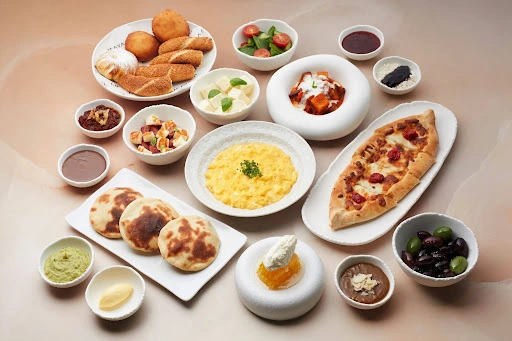
Many people wonder, what are Middle Eastern spices used for? The answer is, everything from stews and grilled meats to rice, soups, and salads. The right mix can turn a basic dish into something truly extraordinary. Also, the Middle Eastern food always has great presentation because presentation can make or break the dish.
The Middle Eastern Spices List
If you’re new to this world, don’t worry. You don’t need to stock your pantry with 50 items overnight. Let’s walk through a Middle Eastern spices list to help you get familiar with the essentials.
One of the most widely used spices is cumin. It has a warm, earthy taste that works well in meat dishes and rice. Coriander is another staple, often paired with cumin for a balanced flavor. Turmeric adds a golden color and slightly bitter taste to soups and rice.
Sumac is a tangy, deep-red spice often sprinkled over grilled meats or salads. Za’atar is a popular blend that includes thyme, sumac, sesame seeds, and salt, perfect for dipping bread in olive oil. Then there’s cinnamon and allspice, both used in savory and sweet recipes.
Understanding these Middle Eastern herbs and spices will allow you to recreate the flavors of this region right in your own kitchen.
Common Middle Eastern Spices in Everyday Cooking
You might already have a few common Middle Eastern spices in your spice rack without realizing it. Garlic, black pepper, cardamom, and nutmeg are widely used in both Middle Eastern and Western kitchens. But when combined with other regional ingredients, they become something entirely new.
Middle Eastern cooking often relies on spice blends rather than single spices. These blends bring harmony to the dish. For example, Baharat is a classic mix of black pepper, cinnamon, cloves, cumin, and more, it’s used in everything from stews to grilled meats.
Seven spice is another blend used in Levantine cooking. Each household may have its own version, but the base often includes cinnamon, nutmeg, and black pepper.
Once you start using these spices, you’ll begin to understand how they define the identity of dishes from different parts of the Middle East.
Middle Eastern Spices for Chicken
If you’re trying to spice up your everyday chicken dinners, Middle Eastern spices for chicken are the perfect solution. A mix of cumin, paprika, garlic, and turmeric creates a rich marinade. Add lemon juice and olive oil for a juicy, flavorful roast.
Another popular option is shawarma spice mix, which usually includes cinnamon, allspice, cardamom, and nutmeg. This blend can transform grilled or roasted chicken into something restaurant-worthy. You can even try Middle Eastern chicken spices with yogurt for a tangy and tender result.
Grilling or baking chicken with these seasonings makes the meat aromatic and tasty, without needing a long list of ingredients.
Middle Eastern Spices for Lamb
Lamb plays a big role in many Middle Eastern dishes, and it pairs beautifully with bold, earthy spices. Middle Eastern spices for lamb often include cumin, coriander, cinnamon, cloves, and black pepper. These create a warm, slightly sweet profile that balances the richness of the meat.
Lamb kebabs are often marinated with garlic, onion, and a mix of eastern spices like sumac and allspice. For a slow-cooked stew, a dash of cardamom or bay leaves adds a deep, comforting flavor. This is why lamb kebabs are a must-have if you are going for dinner in Dubai.
Try rubbing lamb chops with a simple mix of salt, black pepper, paprika, and cinnamon. Roast it slowly, and you’ll see how spices bring out the best in the meat.
Middle Eastern Rice Spices
Rice is a staple in Middle Eastern cuisine and is never boring thanks to the amazing Middle Eastern rice spices. Simple ingredients like cumin, cardamom pods, bay leaves, and cinnamon sticks can transform plain rice into a fragrant side dish.
Some recipes also use turmeric for color or allspice for warmth. A handful of raisins, nuts, or fried onions can take the dish even further.
Spiced rice often serves as a base for meats, stews, or stuffed vegetables. It’s a great way to introduce these flavors to your meals without changing too much.
How to Start Using Middle Eastern Spices?
Start small. Pick one or two dishes that you enjoy, like grilled chicken or rice pilaf, and try seasoning them with some Middle Eastern herbs and spices. You don’t need to get everything right the first time, just taste and adjust as you go.
Keep your spices in airtight containers and away from direct sunlight to preserve their strength and freshness. Buy in small quantities if you’re trying something new.
As you get more comfortable, you can explore homemade spice mixes or blends. This adds your personal touch and helps you understand how flavors interact.
Conclusion
Exploring Middle Eastern spices is more than just cooking; it’s about connecting with a rich culture and history. These spices have been passed down through generations, each telling a story of trade, travel, and tradition.
Whether you’re making a simple bowl of rice or preparing a festive lamb roast, the right combination of eastern spices can turn your dish into something extraordinary. You’ll be surprised at how a few small additions can make a big difference in your meals.
If you’re looking for high-quality, authentic Middle Eastern food that’s made with these spice blends, Amaya is here. We offer a wide range of meals that bring bold flavors. Contact us at info@amayaintl.com or +971 4 587 1000 to try the true Middle Eastern food!
Frequently Asked Questions
Are Middle Eastern spices very spicy or hot?
Most Middle Eastern spices are aromatic and flavorful rather than hot. While they may include pepper or chili on occasion, the focus is usually on warmth and depth, not heat.
Can I use Middle Eastern spices in vegetarian cooking?
Yes, they work beautifully in vegetarian dishes like lentil soup, chickpea stew, or stuffed vegetables. These spices bring life to plant-based meals.
Where can I buy Middle Eastern spices if I don’t live in the Middle East?
You can find them at international grocery stores, online retailers, or specialty shops like Amaya that focus on authentic Middle Eastern products.
Do Middle Eastern spices expire quickly?
Whole spices last longer than ground ones. Store them properly in airtight containers and they can last 6 months to a year or more, depending on the type.
What’s the best beginner-friendly dish to try first with Middle Eastern spices?
Try spiced rice or marinated grilled chicken. These dishes are simple, forgiving, and showcase the unique flavor of the spices without needing too much prep.